
Valamchuzy "Sree Bhuvaneswary" temple is one of the oldest temples in Pathanamthitta.
The temple is surrounded by the sacred river anchankovil that has its origin in the Achankovil mountain ranges. The very name " Valamchuzy" derived from the fact that the river circumvents the temple on three sides.
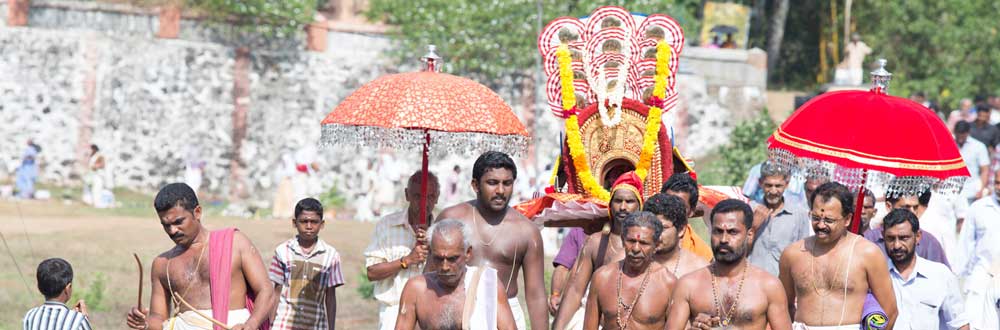
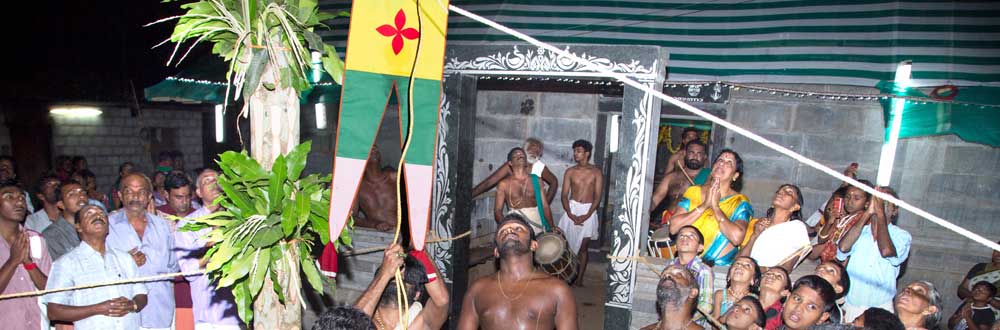
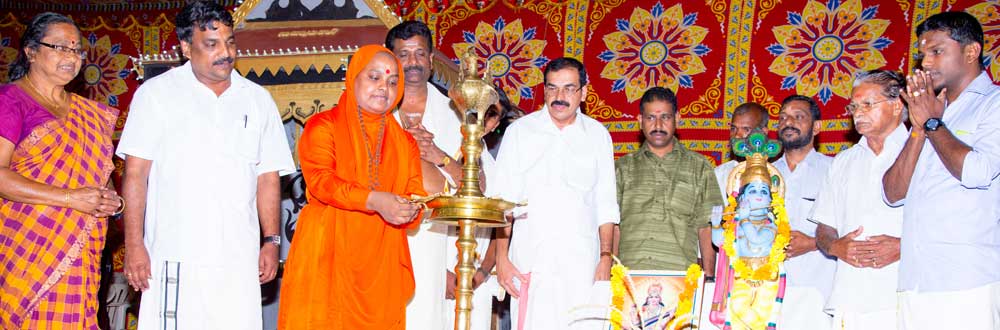
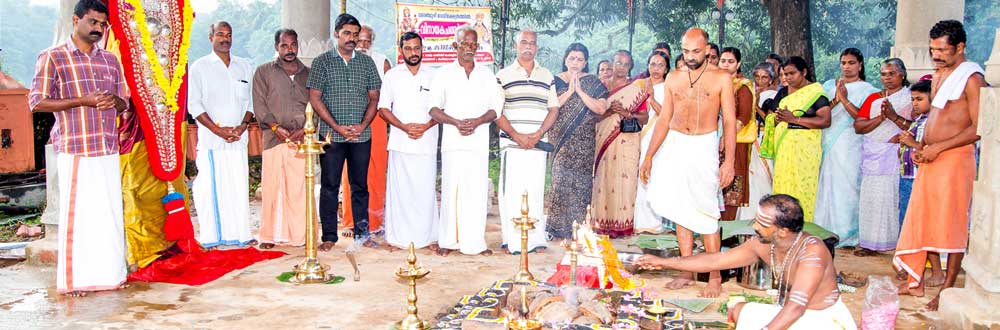
The place, where the temple is situated, derived its name from the direction that the river Achankovil takes as it flows along. Valamchuzy temple is known to be one of the oldest temples in Kerala and was built over 2000 years ago. Legend has it that a devotee brought along from Kodungallur temple, a flower that was the very incarnation of Goddess Bhuvaneswary.
He made a frantic search to locate the most suitable spot to install the flower. It was then that the devotee received a divine inspiration that he should install the flower at Valamchuzy where the river Achankovil circumvents the place from three sides. The devotee then informed the residents of what had transpired. It was then that the residents of the surrounding areas gathered together and finally decided that a temple should be built in this very place to install Goddess Bhuvanaswary.
The devotee and his long line of successive generations continued to act as the torch bearers of the temple even to this day. The sword and the Chilampu bought from Kodungalloor and displayed at the temple, is a standing testimony to the veracity of the whole episode.
- Date: 2021-09-01DESCRIPTION 111
- Date: 2021-09-07DESCRIPTION 111